
Shoulder Dislocations in Contact Sports: Assessment, Management & When Surgery May Be the Better Option
From first-time dislocations to returning safely to rugby, understanding your treatment options can reduce the risk of recurrent instability and help you get back to doing what you love with confidence.
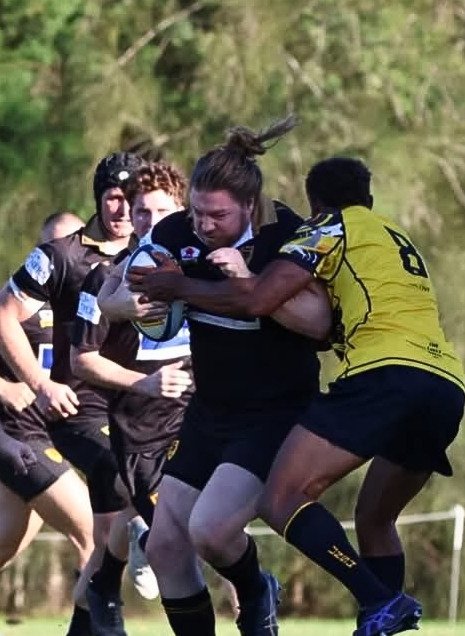
Shoulder dislocations are among the most common injuries seen in contact sports such as rugby, rugby league, AFL, and martial arts. A heavy tackle, awkward fall, or direct collision can force the shoulder out of its socket, often resulting in significant pain, loss of function, and time away from sport.
For many athletes, the biggest question isn't simply how to recover—it's whether physiotherapy alone is enough or whether surgery is the better option.
The answer depends on several factors, including your age, activity level, sporting demands, injury severity, and risk of future instability. Understanding these factors early allows you and your healthcare team to make informed decisions that support both your short-term recovery and long-term shoulder health.
What Is a Shoulder Dislocation?
The shoulder is the body's most mobile joint, allowing movement in almost every direction. However, this mobility also makes it more vulnerable to instability.
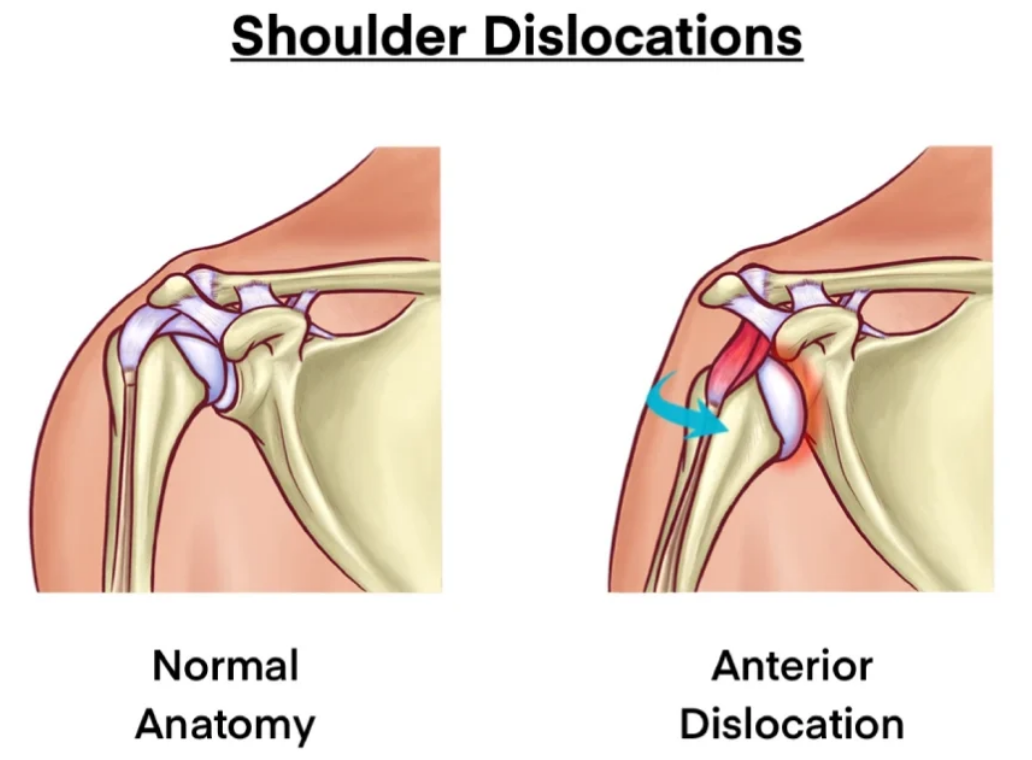
A shoulder dislocation occurs when the ball of the upper arm bone (humerus) is forced out of the shoulder socket (glenoid). Around 90–95% of shoulder dislocations are anterior dislocations, where the shoulder moves forwards.
In contact sports like rugby, this commonly happens during:
Heavy tackles
Falling onto an outstretched arm
Landing awkwardly after a collision
Forced twisting of the shoulder while the arm is elevated
Following a first-time dislocation, surrounding structures such as the labrum, capsule, ligaments, and cartilage may also be injured, increasing the likelihood of future instability.
How Is a Shoulder Dislocation Assessed?
Assessment begins well before deciding whether surgery is necessary.
A physiotherapist or sports medicine clinician will assess:
How the injury occurred
Previous shoulder injuries or episodes of instability
Pain levels
Shoulder movement
Strength
Signs of instability
Sporting goals and training demands
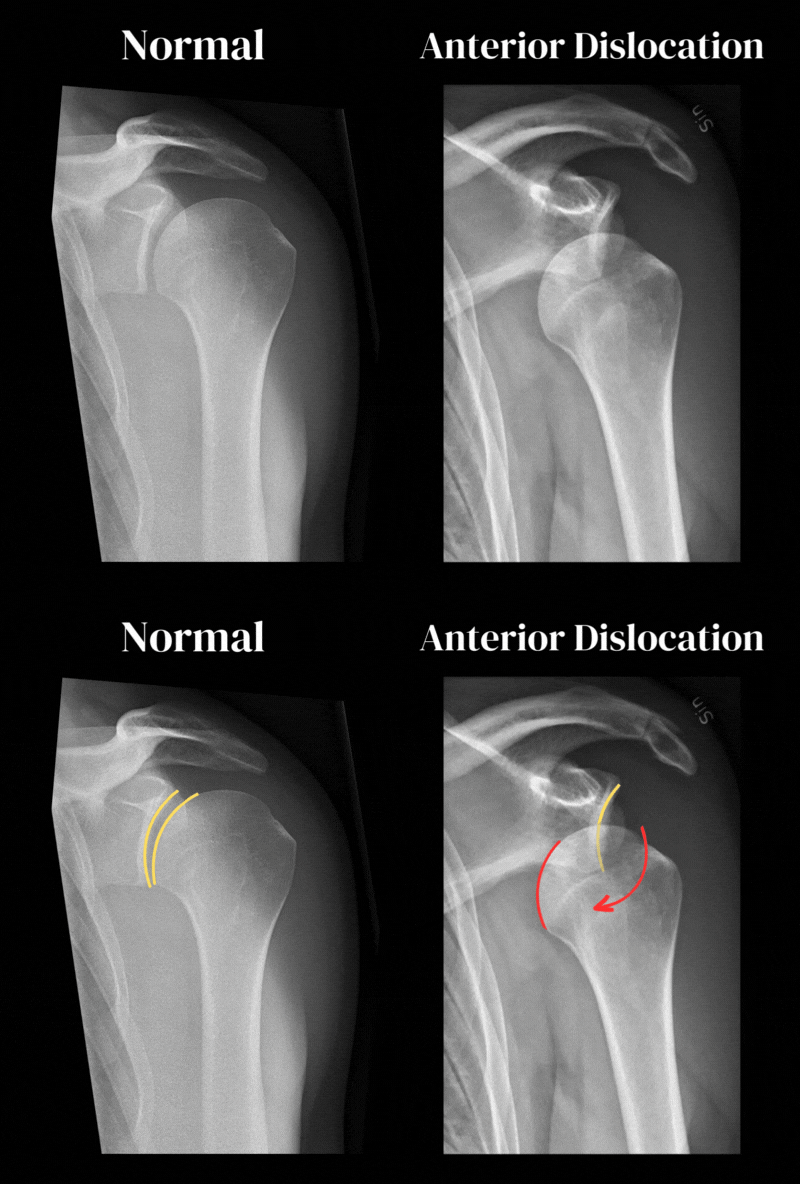
Imaging is often used to identify associated injuries.
These may include:
X-rays to confirm the dislocation and rule out fractures.
MRI scans to assess soft tissue injuries, including damage to the labrum and ligaments.
Particular attention is paid to injuries such as a Bankart lesion (damage to the front of the labrum) or a bony Bankart lesion, as these can significantly increase the risk of recurrent instability.
For competitive rugby players and other contact sport athletes, understanding these injury characteristics helps guide the most appropriate treatment pathway.
Who Is Most at Risk of Another Shoulder Dislocation?
One of the biggest concerns following a first-time shoulder dislocation is recurrence.
Research shows that while many people recover successfully with conservative management, others have a much higher chance of redislocating their shoulder.
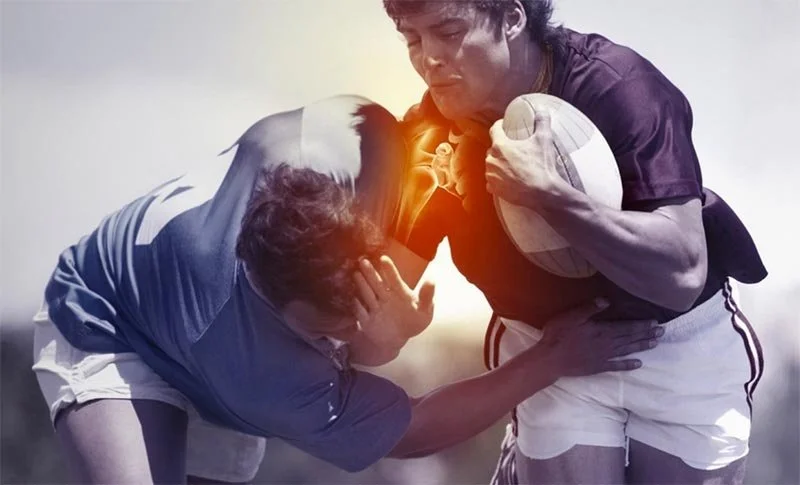
Risk factors include:
Younger age
Male athletes
Participation in collision sports such as rugby
High levels of sporting activity
Presence of a bony Bankart lesion
Ongoing shoulder pain or instability
Reduced confidence when returning to sport
These factors don't automatically mean surgery is required, but they do help clinicians identify athletes who may benefit from closer monitoring or earlier surgical consultation.
Conservative Management: Is Surgery Always Necessary?
Fortunately, the answer is no.
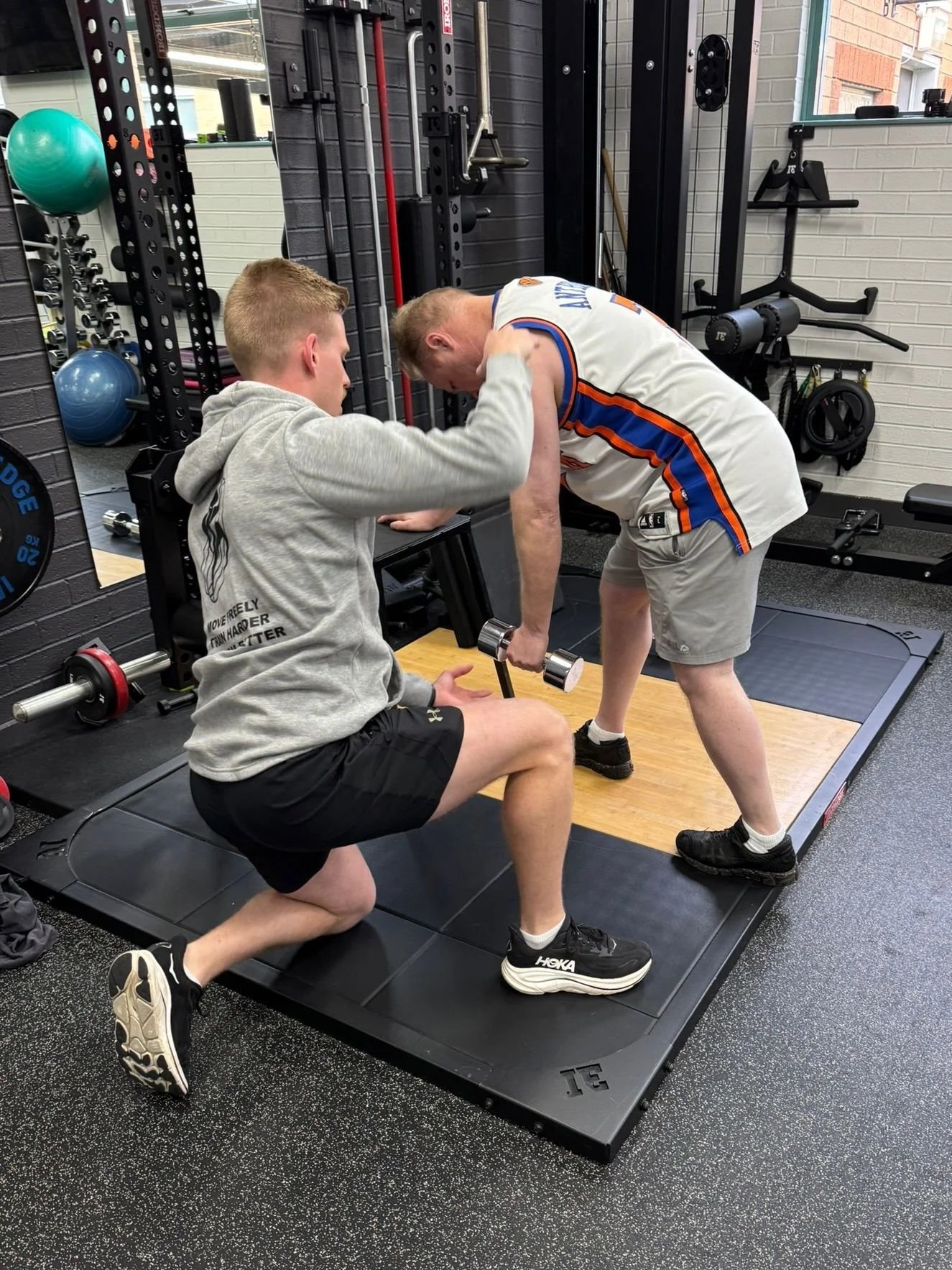
Many first-time shoulder dislocations can be successfully managed without surgery.
Initial treatment generally includes:
Reduction of the dislocation
Short-term sling use for comfort
Pain and swelling management
Early rehabilitation guided by a physiotherapist
Rehabilitation then progresses through several stages, including:
Restoring shoulder mobility
Rebuilding rotator cuff strength
Improving scapular control
Enhancing shoulder stability and proprioception
Gradually returning to sport-specific activities
Recent research has shown that many people recover well with appropriate education, home exercises, and physiotherapy following a first-time shoulder dislocation.
However, athletes involved in collision sports often place significantly greater demands on their shoulders than the general population. For these individuals, rehabilitation typically requires closer supervision, higher-level strengthening, and sport-specific progression before returning to competition.
Conservative Management vs Surgical Repair
Choosing between physiotherapy and surgery isn't always straightforward.
While surgical stabilisation (such as a Bankart repair) has been shown to reduce the likelihood of recurrent dislocations in high-risk individuals, conservative management also produces excellent outcomes for many patients.
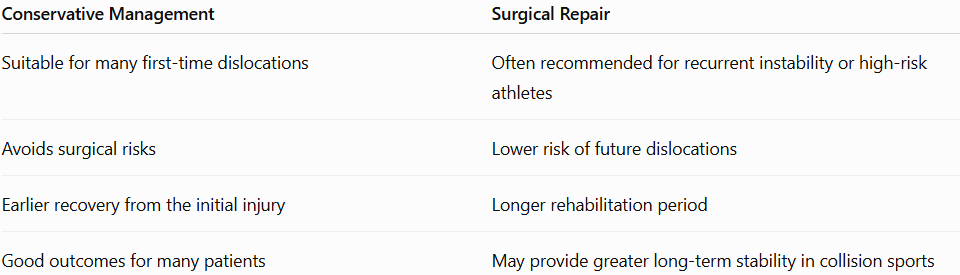
Rather than applying a one-size-fits-all approach, current evidence supports shared decision-making between the clinician and patient. Factors such as sporting goals, age, occupation, injury severity, and future participation in contact sports should all be considered when selecting the most appropriate treatment pathway.
Returning Safely to Rugby and Contact Sports
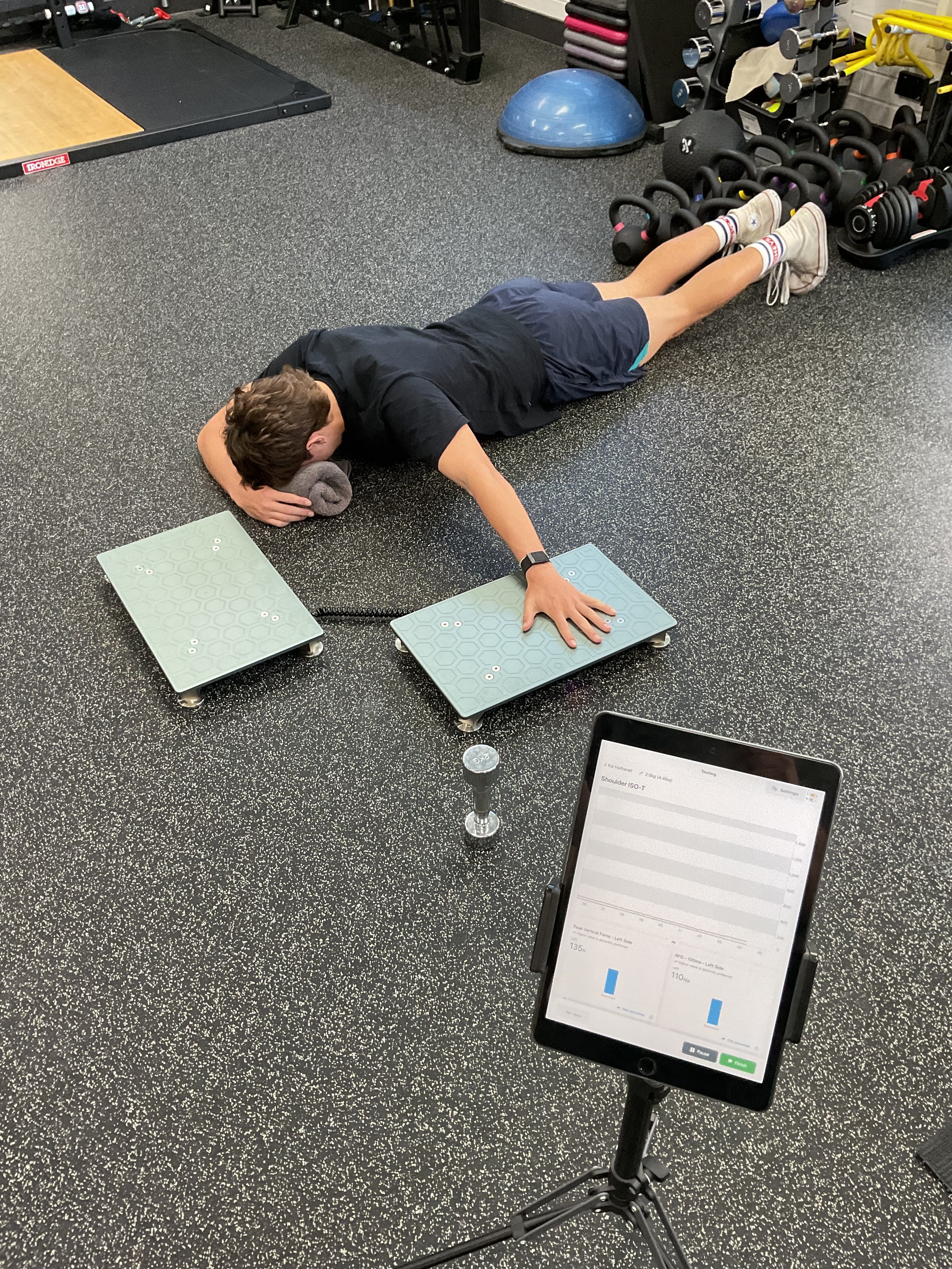
Upper Limb Strength Testing
Returning to sport should never be based on time alone.
Traditionally, many athletes have been cleared once a certain number of months had passed following injury or surgery. However, research now suggests that objective testing provides a safer and more reliable guide.
Before returning to contact sport, athletes should demonstrate:
Full shoulder range of motion
Strength comparable to the uninjured side
Good muscular endurance
Functional performance during sport-specific tasks
Confidence in the shoulder during contact situations
Studies have shown that athletes who complete criteria-based return-to-sport testing experience lower rates of recurrent instability following shoulder stabilisation surgery compared to those cleared using time alone.
The goal isn't simply returning to rugby quickly—it's returning safely and reducing the risk of another dislocation.
Final Thoughts
A shoulder dislocation can be frustrating, particularly for athletes eager to return to competition. While many first-time dislocations respond well to conservative management, others may require surgical stabilisation to reduce the risk of future instability.
The key is early assessment, an individualised rehabilitation plan, and evidence-based decision-making.
If you've recently dislocated your shoulder or are struggling with ongoing instability, seeking assessment early can help you choose the most appropriate treatment pathway and get back to doing what you enjoy with confidence.
How Dynamic Physiotherapy Can Help
At Dynamic Physiotherapy, we understand the unique demands that contact sports place on the shoulder.
Our assessment and rehabilitation approach focuses on identifying individual risk factors, restoring strength and stability, and helping athletes return to sport with confidence.
Whether you're recovering from your first shoulder dislocation or preparing to return after surgery, we'll develop an evidence-based rehabilitation plan tailored to your goals and sporting demands.
Key Takeaways
📌 Early assessment helps guide the most appropriate treatment following a shoulder dislocation.
📌 Physiotherapy is effective for many first-time dislocations, while surgery may be recommended for athletes at higher risk of recurrent instability.
📌 Individual risk factors, including age, sporting demands, and injury severity, should guide treatment decisions.
📌 Returning to contact sport should be based on strength, function, and objective testing—not time alone.
📞 Ready to Get Back in the Game?
If you've experienced a shoulder dislocation or recurrent shoulder instability, our team at Dynamic Physiotherapy can help guide your recovery with evidence-based assessment, rehabilitation, and return-to-sport planning.
Book an appointment today and take the first step towards a stronger, more stable shoulder.
References
Kavaja L, Lähdeoja T, et al. (2018). Treatment after traumatic shoulder dislocation: A systematic review with a network meta-analysis. British Journal of Sports Medicine.
Kearney R, Ellard D, Parsons H, et al. (2024). Acute rehabilitation following traumatic anterior shoulder dislocation (ARTISAN): Pragmatic, multicentre, randomised controlled trial. BMJ.
Olds MK, Ellis R, Parmar P, et al. (2019). Who Will Redislocate His/Her Shoulder? Predicting Recurrent Instability Following a First Traumatic Anterior Shoulder Dislocation. BMJ Open Sport & Exercise Medicine.
Junior M, Popchak A, Wilson K, Kane G, Lin A. (2021). Criteria-Based Return to Sport Testing Is Associated With Lower Recurrence Rates Following Arthroscopic Bankart Repair. Journal of Shoulder and Elbow Surgery.