
Injured Your Shoulder in Rugby or Want to Improve Your Upper Body Strength for Contact?
Learn how progressive rehabilitation, shoulder strengthening and return-to-play strategies can help rugby players recover safely and perform with confidence.
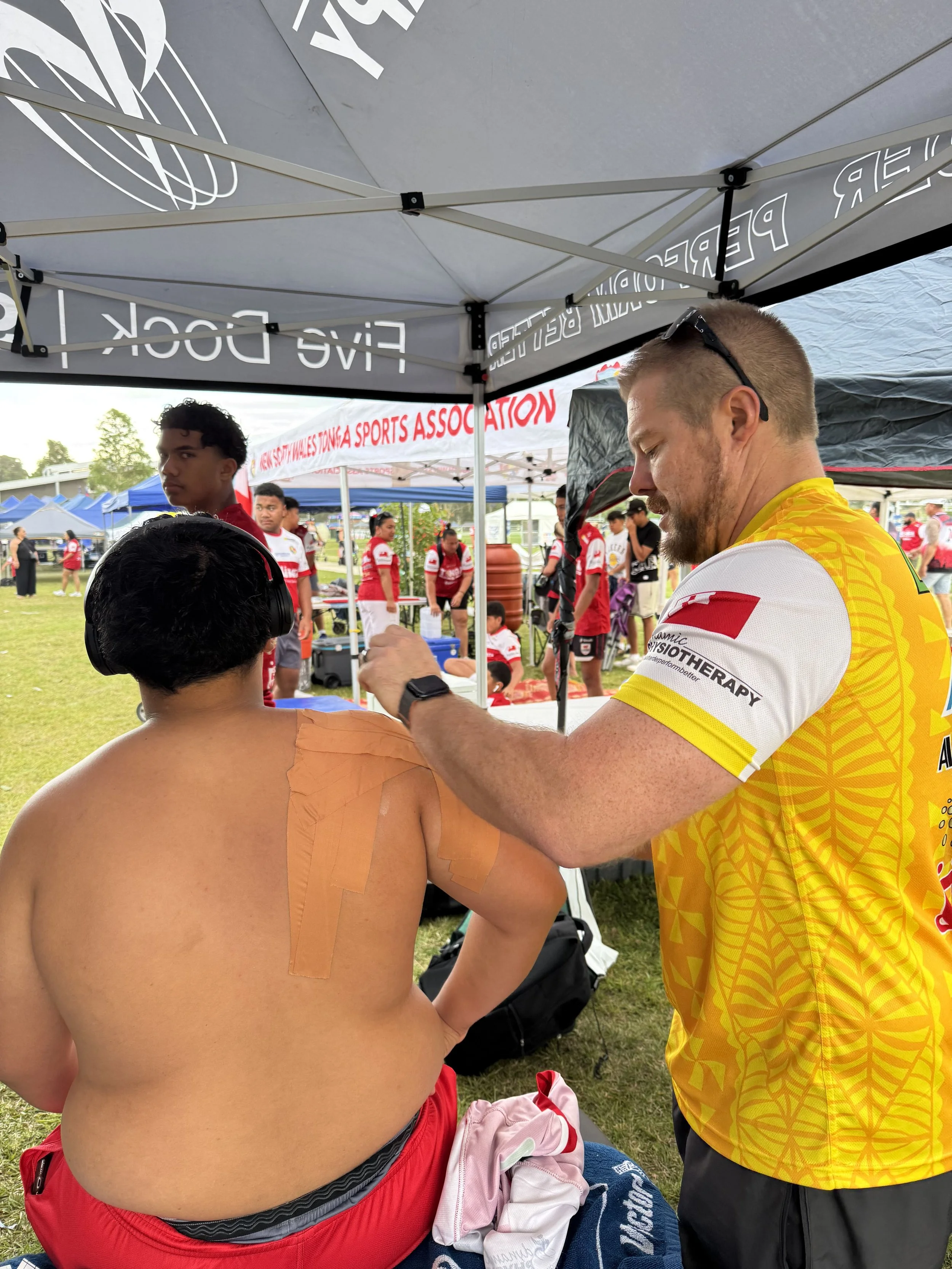
Shoulder injuries are one of the most common injuries in rugby. Whether it happens during a tackle, a fall, or repeated contact throughout the season, a shoulder injury can affect your strength, confidence and ability to perform.
The good news is that successful rehabilitation is about much more than simply waiting for pain to settle. A well-structured rehab program can restore strength, improve shoulder stability, and prepare you to safely return to contact.
At Dynamic Physiotherapy, we combine evidence-based rehabilitation with sport-specific progression to help rugby players return stronger and reduce their risk of future injury.
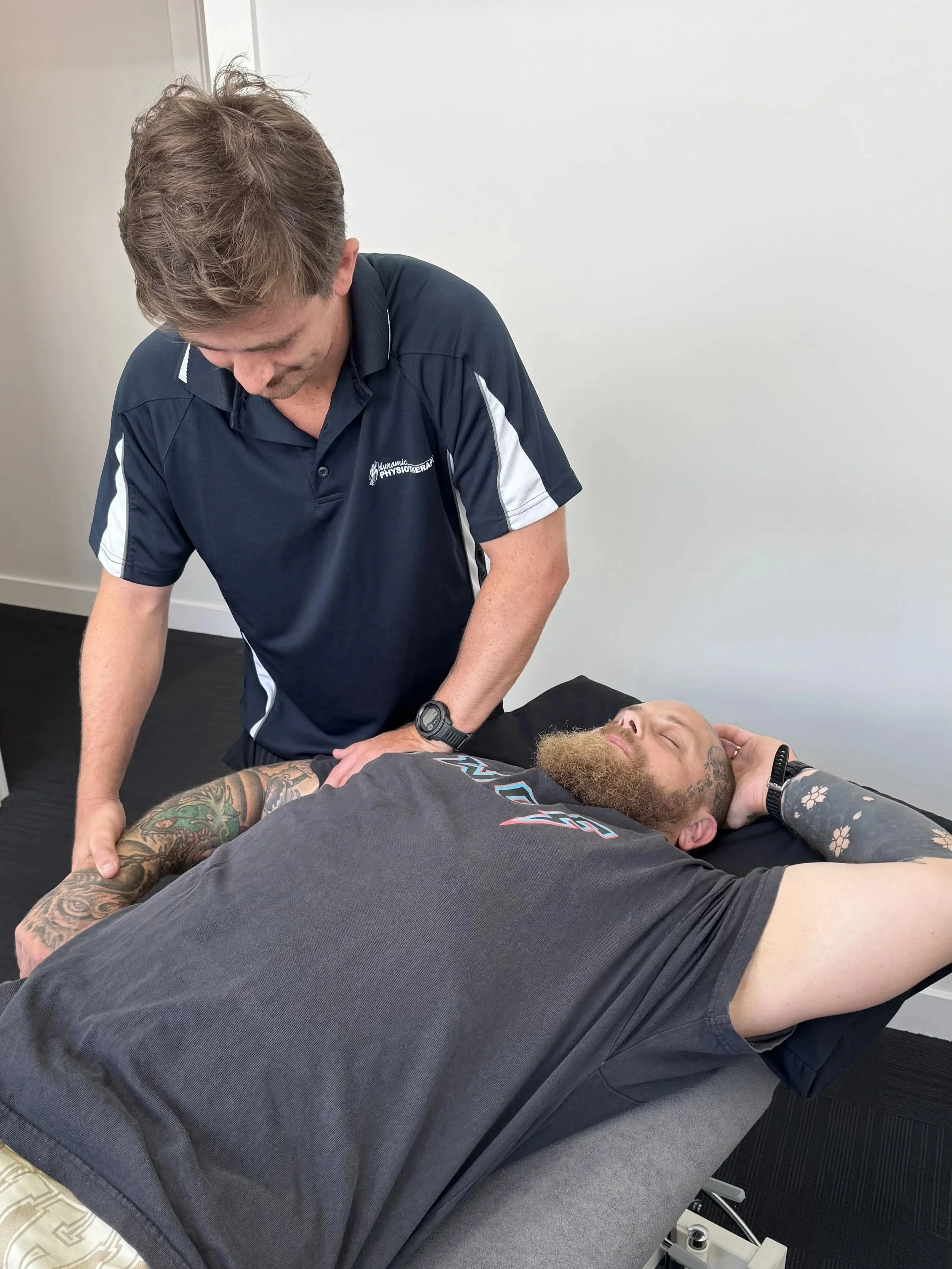
Rehabilitation Goes Beyond Pain Relief
Many athletes stop rehabilitation once everyday activities become comfortable.
However, returning to rugby requires far more than being pain-free.
A successful rehabilitation program should gradually restore:
Shoulder strength
Range of motion
Stability and control
Confidence during movement
Capacity to tolerate contact
Progress should be guided by how your shoulder responds to loading rather than relying solely on scans or imaging.
Build Strength Before You Return to Contact
Strong shoulders are better prepared to handle tackles, collisions and repeated training loads.
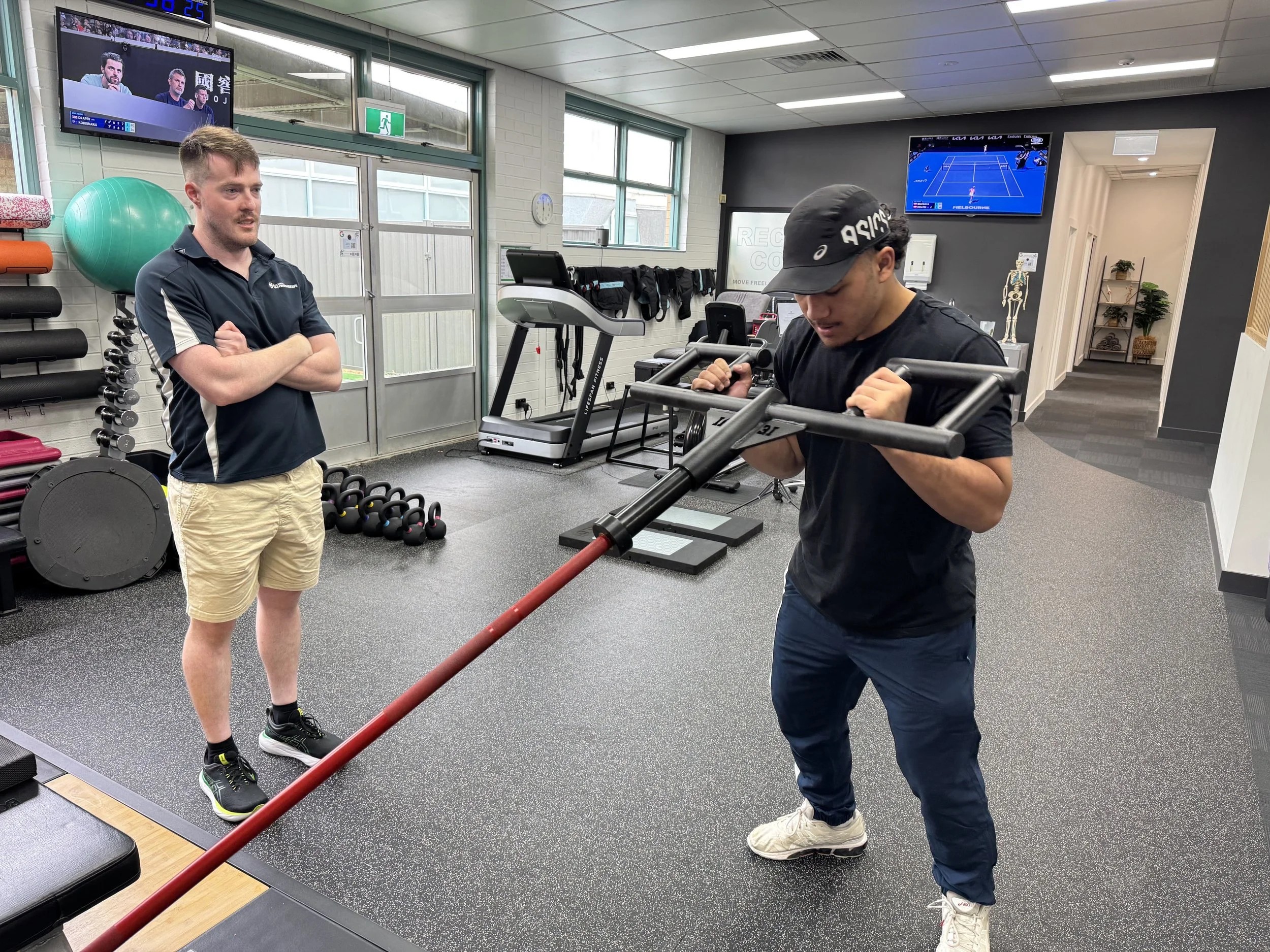
Research consistently shows that strength, shoulder mobility and appropriate training loads are some of the most important factors influencing shoulder injury risk.
Rehabilitation should progressively develop:
Rotator cuff strength
Scapular control
Upper body pushing and pulling strength
Plyometric strength and power
Whole-body movement patterns
Exercises should gradually become more rugby-specific as your capacity improves.
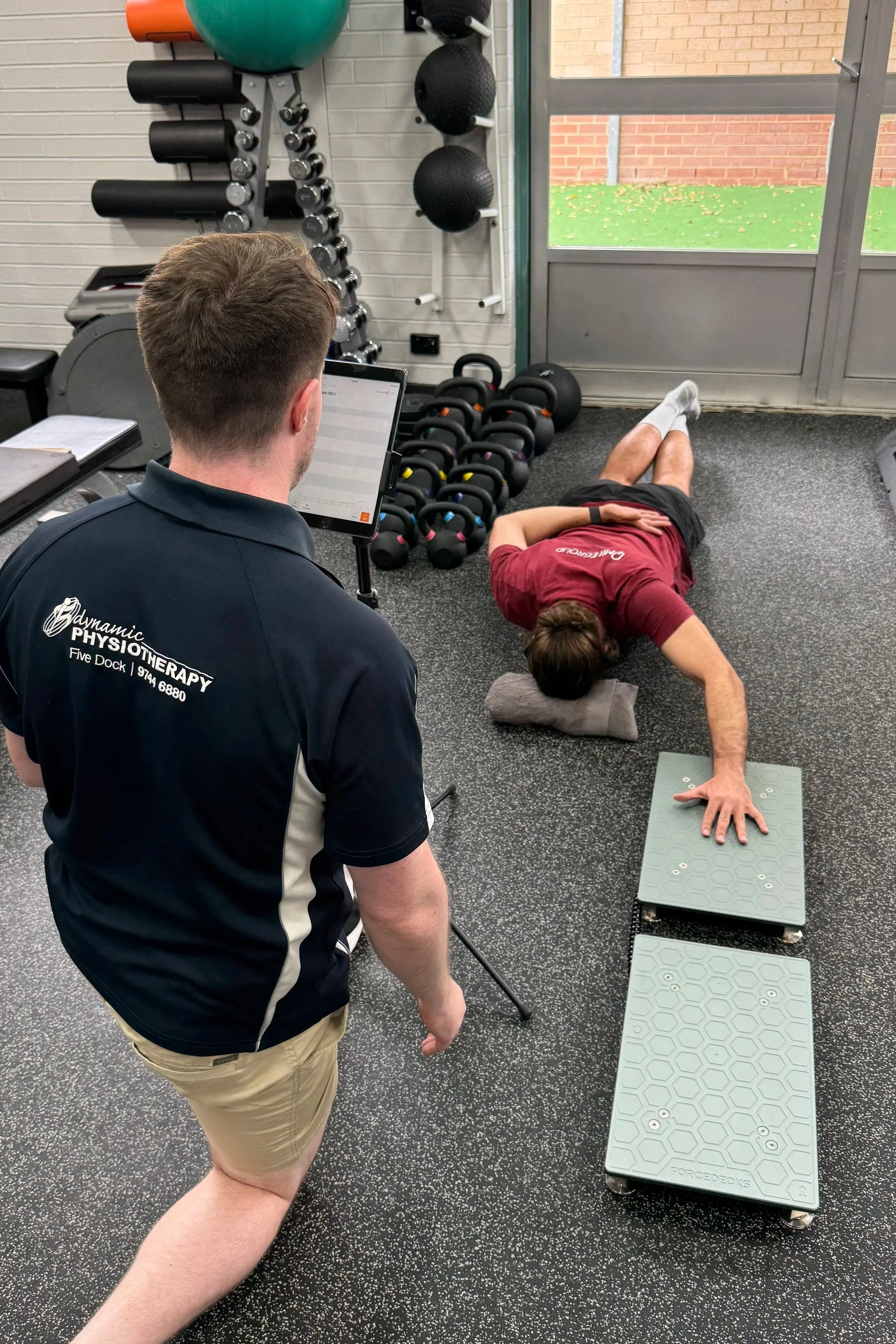
Returning to Rugby Is a Process
Getting back onto the field shouldn't be based on time alone.
Your shoulder should demonstrate the strength, control and confidence required to cope with the demands of rugby before returning to full training and competition.
Throughout rehabilitation, we regularly monitor factors such as:
Shoulder strength
Range of motion
Training load
Pain response
Functional performance
This helps ensure you return safely while reducing the risk of re-injury.
Don't Ignore Your First Shoulder Injury
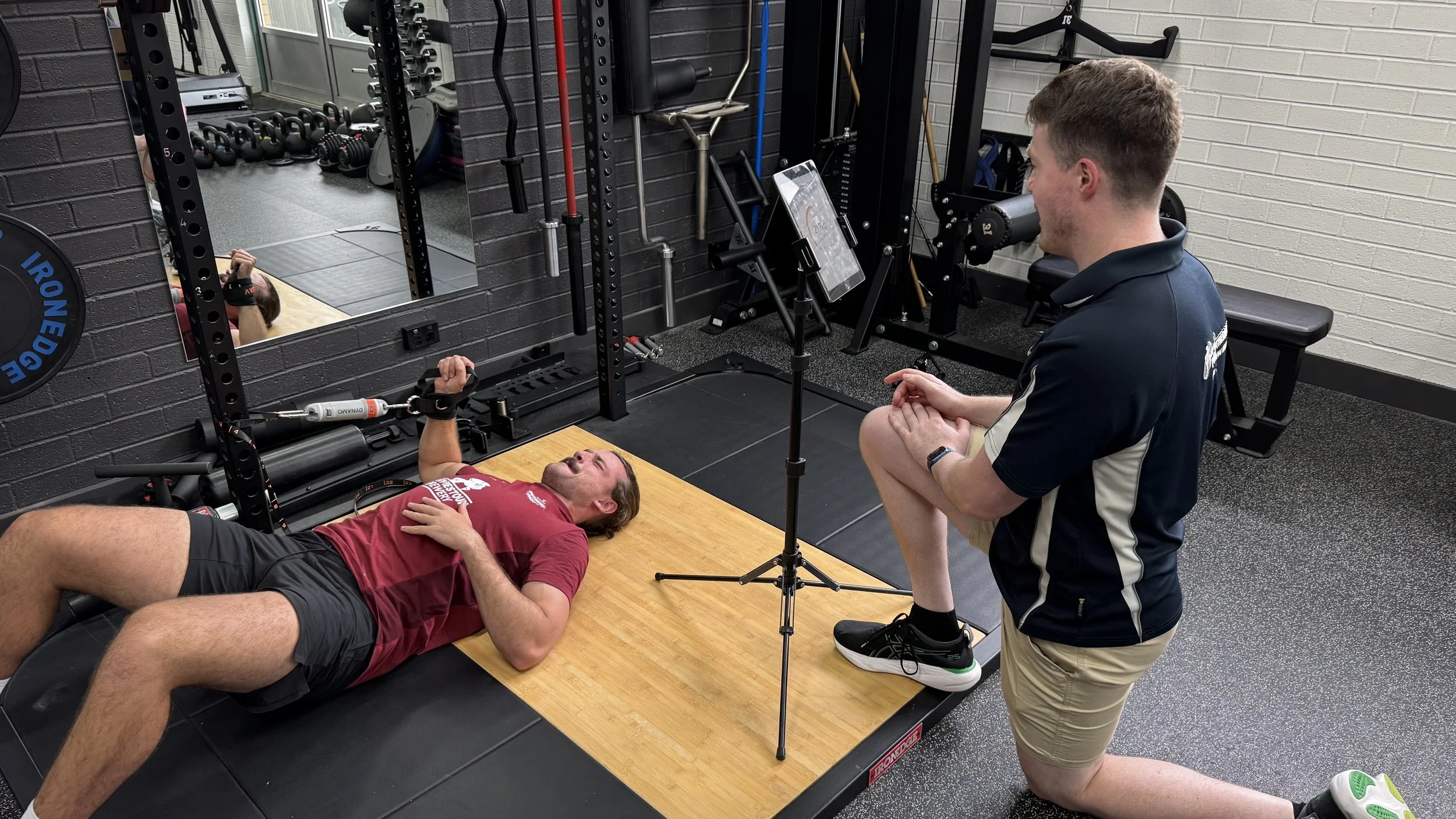
After a first shoulder dislocation or significant shoulder injury, returning too quickly or without completing rehabilitation may increase the risk of future instability.
Restoring strength, movement quality and confidence before returning to contact can play an important role in reducing the likelihood of recurrent shoulder problems.
Key Takeaways
📌 Shoulder rehabilitation should focus on restoring strength, movement quality and confidence—not just reducing pain.
📌 Progressive loading and sport-specific exercises help prepare the shoulder for the demands of rugby.
📌 Strong shoulders, appropriate training loads and regular strength monitoring may help reduce injury risk.
📌 Returning to play should be based on function and performance, not simply the amount of time since injury.
Ready to Get Back to Rugby?
Whether you're recovering from a shoulder injury or looking to build stronger shoulders for contact sport, an individualised rehabilitation program can help improve performance and reduce injury risk.
Book an appointment with Dynamic Physiotherapy to start your recovery and return to rugby with confidence.
Research References
Schwank A, Blazey P, Asker M, et al.
2022 Bern Consensus Statement on Shoulder Injury Prevention, Rehabilitation, and Return to Sport for Athletes at All Participation Levels.
Salamh P, Bullock G, Chester R, et al.
Risk Factors Associated with New Onset of Shoulder Pain and Injury Among the Athletic Population: A Systematic Review of the Literature.
Olds M, Ellis R, Parmar P, et al.
Who Will Redislocate His/Her Shoulder? Predicting Recurrent Instability Following a First Traumatic Anterior Shoulder Dislocation.